After a major hailstorm, most homeowners feel the same pull almost immediately: clean up the mess, settle the nerves, and get the house back to normal. We understand that instinct. The trouble is that in the rush to restore order, some of the clearest evidence of the storm can disappear before it is ever documented. What feels like cleanup in the moment can end up making the insurance process harder later.
We believe good documentation does more than support a claim. It gives you a clearer record of what happened to your home and helps reduce the uncertainty that follows a serious storm. When you shift from reacting to the mess to documenting it carefully, the process becomes more manageable and much easier to explain. That matters in Alberta, where guidance around hail protection and storm preparedness reflects how common these events can be for homeowners.
At Lumina Roofing & Exteriors, we take documentation seriously because it often shapes everything that comes next. It helps homeowners protect their property, organize the facts, and move into the next stage of the process with more confidence instead of more confusion.
Capture the scale before the ice melts
The first evidence to disappear is often the evidence people remember most clearly: the hailstones themselves. We often see homeowners wait until the storm has passed and the sun is back out before they start taking photos. By then, some of the most useful proof of the storm’s intensity is already gone.
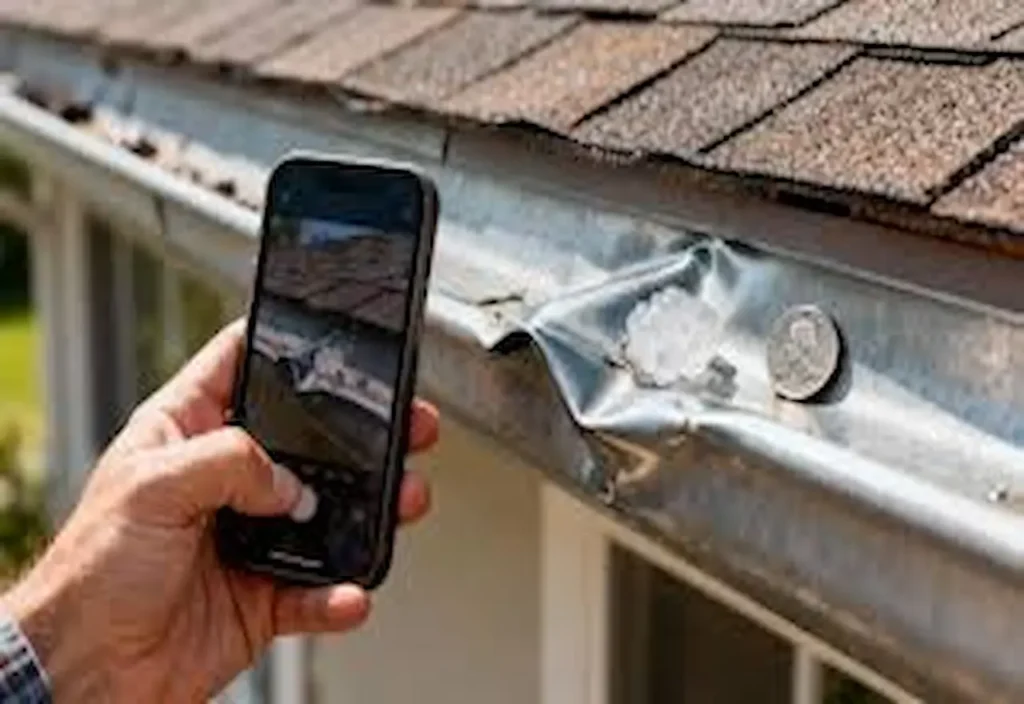
That matters because the size of the hail helps give context to everything else. Without that scale, later damage can feel more abstract, especially when the roof still looks mostly intact from the ground. A photo of the hailstones beside something familiar, like a coin, measuring tape, or another object with a known size, can help anchor the rest of the story.
If it is safe to step outside, gathering that evidence early can make the rest of your documentation much stronger. It creates a direct visual link between what fell during the storm and the condition of the home afterward. That kind of context can make later conversations feel far less uncertain.
A methodical exterior walk-around tells a better story
Some storm damage is obvious right away. Broken glass, torn screens, or clear impact on a fence can stand out immediately. Other signs are easier to miss, especially when the damage is smaller, more scattered, or spread across different parts of the property.
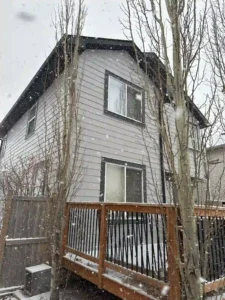
We usually find that a more methodical walk-around creates a much clearer picture than a few rushed photos taken from the front yard. Moving around the house in one direction and photographing each elevation helps reduce the chance of missing something important. It also makes the record easier to understand later when you are looking back through the photos.
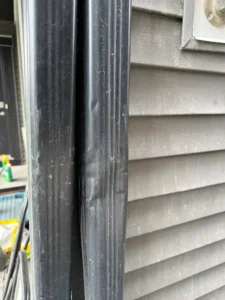
During that walk-around, it helps to pay close attention to areas that show impact more clearly than shingles do. Gutters, downspouts, vents, window trim, siding, and air conditioning units can all help show how the storm moved across the property. When that evidence is documented well, it supports a fuller understanding of what your home may have been through.
Soft metals often reveal what the roof is harder to show
One of the most useful things about documenting hail damage is that not every important sign has to come from the shingles themselves. In fact, some of the clearest storm evidence often appears in softer exterior materials first.
We pay close attention to soft metals because they tend to show dents and impact marks more clearly than asphalt surfaces do. Gutters, flashing, roof vents, downspouts, and metal trims can all help support the overall picture of what the storm did. These details do not tell the whole story on their own, but they often make the larger pattern easier to understand.
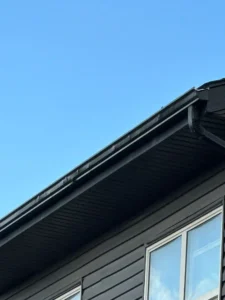
That is one reason homeowners do not have to feel pressured to prove everything from one single photo of the roof. Good documentation usually works best when it shows the property as a whole. When multiple surfaces reflect the same storm impact, the record becomes much more persuasive and much easier to explain.
Organized evidence makes the process easier later
A large photo library does not always mean a strong claim file. After a storm, it is easy to end up with dozens of images that all live in one camera roll, mixed together with unrelated screenshots, messages, and daily photos. That usually creates stress later, especially when someone needs to locate a specific image quickly.
We think organization matters almost as much as the photos themselves. A simple folder system can make the documentation feel far less overwhelming. Grouping images by area of the home, and including the storm date in the folder name, can save time and reduce confusion when the information needs to be shared.
This kind of structure does more than keep things tidy. It helps the entire process feel more manageable. When evidence is organized clearly, homeowners often feel more in control, and the next conversations tend to move more smoothly because the record is easier for everyone to follow.
A simple claim journal can protect your memory
The paperwork and communication side of storm recovery can become just as stressful as the visible damage. Once phone calls, emails, inspection visits, and scheduling conversations begin, details can start to blur together surprisingly fast.
We have found that homeowners feel much steadier when they keep a simple written record of what happens after the storm. A short note with the date, the name of the person they spoke with, and a quick summary of the conversation is often enough. It does not need to be formal. It just needs to exist.
That written timeline can become very helpful later if expectations change, if something needs to be clarified, or if the process starts to stretch longer than expected. It turns a stressful sequence of moving parts into something much easier to track. It also helps homeowners stay grounded in facts instead of trying to rely on memory alone. Alberta’s broader consumer protection guidance supports that same idea of staying informed and organized when dealing with services, timelines, and decisions that affect your home.
Professional documentation adds another layer of clarity
There is a point where homeowner documentation does a lot of good, but may still leave questions unanswered. Photos from the ground, notes from the day of the storm, and visible impact around the home all help build the story. At the same time, some of the most meaningful roof damage can still require a closer and more experienced assessment.
That is where professional documentation starts to add real value. We look at the roof not only for obvious damage, but for patterns, vulnerable areas, and the kinds of signs that can be easy to miss without working with these systems regularly. For homeowners, that often means the difference between having a general concern and having a clearer, more technically grounded understanding of what the storm may have changed.
When the situation calls for it, our hail damage and storm restoration services are designed to help homeowners move forward with more clarity and less uncertainty. Good documentation is not about making the situation feel larger than it is. It is about making it easier to see clearly.
Clear documentation helps you move forward with more confidence
The hardest part after a hailstorm is often not the storm itself. It is the uncertainty that follows. You are trying to understand what happened, what matters, and what should be done next, all while the evidence is changing by the hour.
We believe documentation helps bring order to that moment. It gives homeowners something solid to work from, and it reduces the chance that important details get lost in the rush. Photos, notes, timestamps, and a clear record of the home’s condition can make the entire process feel more grounded from the beginning.
If your home has been through a recent storm and you want help understanding what should be documented or what the damage may actually mean, contact Lumina Roofing & Exteriors. We are here to help you look at the situation clearly and move forward with a steadier local perspective.