A home is one of the most significant investments you will ever make, and your roof serves as its primary shield against the unpredictable Alberta skies. Calgary homeowners experience a unique set of weather patterns that can push even the most premium building materials to their structural limits within a single year. From bitter winter deep freezes to sudden summer thunderstorms, identifying early is vital for preventing minor maintenance issues from turning into catastrophic home emergencies.
Many property owners only consider their roofing system when water begins dripping through the ceiling, but by that point, significant hidden damage has already occurred. Taking a proactive approach to your home envelope means understanding how the local climate stresses your asphalt shingles, ventilation networks, and eavestroughs. This grounded guide outlines the primary issues that local residential structures face and provides the actionable solutions needed to ensure your roof remains durable, safe, and dry through every season.
Hail Damage and Shingle Fractures
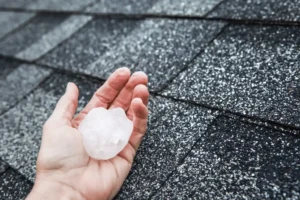
Calgary sits squarely in the middle of western Canada’s hail alley, making impact damage from falling ice one of the most frequent structural issues local roofs face. When large hailstones strike architectural asphalt shingles, they bruise the underlying fiberglass mat and displace the protective outer mineral granules. This granule loss leaves the raw weathering grade asphalt exposed to harmful solar rays, accelerating the aging process and leaving the roof vulnerable to immediate leaks.
Fixing this issue requires a meticulous inspection immediately following any major summer storm event to evaluate the depth of the bruising. If your property has taken a direct hit from a severe cell, seeking a professional evaluation for hail damage storm restoration is the most reliable way to assess the true condition of your shingles. Addressing these impact fractures early prevents moisture from slowly rotting your plywood or OSB deck preparation over the subsequent months.
High Winds and Missing Shingle Panels
The powerful windstorms that roll off the Canadian Rockies can easily reach speeds that test the limits of standard residential building materials. If shingles were improperly installed or if the self sealing adhesive strips have degraded over time, strong gusts can lift the tabs and tear them away completely. Missing shingles leave the secondary waterproofing layers exposed to the elements, creating a direct pathway for wind driven rain to enter your attic space.
To prevent wind uplift, it is crucial to use professional grade installation techniques that utilize corrosion resistant roofing nails placed in specific offset patterns. If you notice missing or lifted shingle tabs after a windy day, they must be replaced promptly to restore the continuous water shedding surface of your roof slope. Choosing high wind rated products from trusted manufacturers like IKO or Malarkey ensures that your home envelope can withstand the intense aerodynamic forces common to the region.
The Extreme Freeze Thaw Cycle and Ice Dams
The local winter climate is famous for sudden shifts in temperature, largely driven by dry warm mountain winds known as Chinooks. These warm spells cause a rapid melting of the snow pack on your roof, which then refreezes instantly along the unheated eaves when the temperature drops back down below freezing. This cycle creates a thick ridge of ice that blocks proper drainage, forcing water to pool on the shingles and seep backward into your house framing.
Fixing ice damming requires a long term strategy that targets the temperature of your roof deck rather than just clearing the ice itself. Ensuring your attic floor has sufficient blown-in insulation prevents internal heat from escaping and triggering the uneven melting process in the first place. For homeowners interested in understanding the broader context of local weather trends and how historical variations affect property maintenance, reviewing official Canadian Climate Normals can provide valuable insights into designing a resilient winter home.
Poor Attic Ventilation and Moisture Accumulation
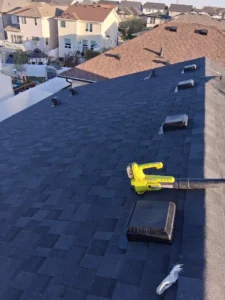
A balanced roof requires a continuous loop of fresh air moving underneath the plywood deck to control both temperature and humidity levels. If your aluminum soffit intake panels are blocked by insulation or if your ridge caps lack sufficient venting capacity, heat and moisture become trapped in the attic space. During the winter, this humid air condenses on the cold wooden trusses, creating a hidden indoor downpour often referred to as attic rain.
Resolving ventilation issues involves checking that your intake and exhaust vents are completely unobstructed and properly sized for your roof’s total square footage. Utilizing specialized insulation baffles near the eaves ensures that air pathways remain open while keeping your thermal barriers securely in place. Proper airflow not only eliminates the risk of winter mold but also extends the operational lifespan of your asphalt shingles by preventing them from baking from the inside out during hot summer weeks.
Flashing Failures Around Roof Penetrations
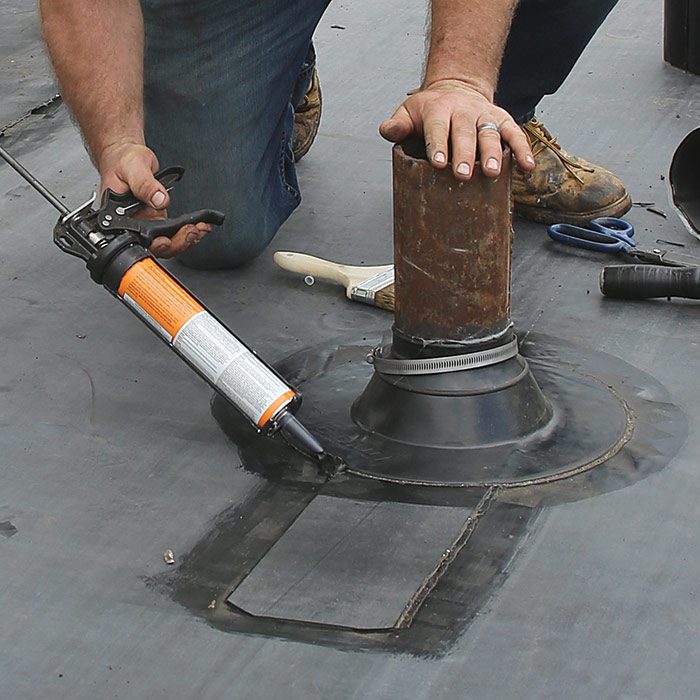
Roof flashing consists of thin pieces of corrosion resistant metal installed around valleys, chimneys, dormers, and plumbing vents to redirect water away from high risk joints. Over time, the constant expansion and contraction caused by extreme temperature swings can loosen these metal joints and crack the protective caulking seal. Once the seal fails, water can easily bypass your shingles and run down the sides of your interior walls, causing hidden drywall damage.
Fixing flashing problems involves removing the degraded sealant and securing the metal plates with fresh fasteners and high grade exterior caulking. During regular inspections, special attention should be paid to the valleys where different roof slopes meet, as these channels handle the highest volume of water runoff. Ensuring your drip edges and flashing arrays are perfectly sealed protects the most vulnerable junctions of your residential structure from progressive water infiltration.
Choosing the Right Materials for Longevity
When the time comes to address these common issues through a full replacement, selecting the right material grade is the most important decision you will make. Homeowners must balance upfront installation costs with long term durability factors like wind resistance, fire ratings, and hail impact metrics. Investing in a professional grade architectural shingle system provides a reliable baseline of protection that satisfies modern building codes and elevates your home’s curb appeal.
The decision process can be simplified by learning about the differences between various material compositions, from fiberglass mats to heavy duty rubber and standing seam metal options. If you are looking for an objective breakdown of how different roofing products perform under real world conditions, you can consult this comprehensive roofing materials buying guide compiled by consumer protection experts. Educating yourself on these technical differences ensures you select a system that is engineered to handle your specific environmental risks.
The Importance of Professional Inspections
Many common roof problems calgary remain completely invisible from the ground level, hiding behind chimney stacks or beneath the overlap of your shingle rows. Attempting to climb a ladder to inspect a steep pitch yourself can be incredibly dangerous, especially if the surfaces are wet or compromised by frost. Trusting a certified professional to conduct a comprehensive assessment ensures that small defects are caught and repaired before they escalate into structural failures.
A professional roofing specialist knows exactly what to look for, from subtle hail bruising to minor flashing gaps and blocked soffit pathways. Establishing an annual inspection routine, particularly in the spring after the snow clears, gives you a clear picture of your exterior health. This proactive maintenance strategy saves you thousands of dollars in emergency repairs and ensures that your home envelope remains completely secure against whatever the Alberta skies bring next.
Let Lumina Optimize Your Roof Protection Today
At Lumina Roofing & Exteriors, we believe that a truly durable roof requires a combination of premium materials and flawless execution. As a certified IKO ROOFPRO Select contractor, our team builds residential systems that meet or exceed manufacturer standards and local building codes. We understand the specific environmental challenges facing local properties and are dedicated to providing clear, honest solutions that keep your family safe and dry.
Don’t wait for a major leak to find out that your roofing system has suffered storm or winter degradation. Our experienced team is ready to evaluate your home envelope, fix recurring ventilation issues, or complete a full exterior restoration tailored to your needs. If you are ready to invest in long term security and want to speak with our specialists, we invite you to reach out through our contact us page today to schedule your professional consultation.