Calgary winters are beautiful but notoriously harsh on residential properties, largely due to our erratic weather shifts. The combination of heavy snowfalls and sudden warm temperatures creates the perfect environment for a destructive winter phenomenon known as ice damming. When thick ridges of solid ice form along your eavestroughs, they create a reservoir of trapped water on your roof slope, leading to severe structural complications. Navigating ice dam removal and prevention is an essential skill for any local homeowner looking to avoid costly interior damage when the snow begins to melt.
Ignoring a massive build up of ice at your roofline is a gamble that can result in ruined insulation, warped drywall, and compromised wood structures. As a homeowner, understanding why these frozen barriers form and how to address them safely is the best way to safeguard your investment. By taking a proactive approach to your home envelope before the deep freeze sets in, you can keep your attic dry, your family warm, and your property equity fully protected through the longest winters.
The Anatomy of an Ice Dam
An ice dam forms due to a temperature imbalance between the upper sections of your roof deck and the cold overhang at the eaves. Snow on the higher parts of the roof melts because heat escaping from an under insulated attic warms the underlying plywood or OSB deck preparation. As the meltwater flows down the slope, it hits the unheated roof edge where the temperature is below freezing, causing the water to solidify into a thick ridge of ice.
Over time, this ridge grows larger, preventing subsequent runoff from escaping into your seamless aluminum gutters. The trapped liquid water backs up underneath your asphalt shingles, bypassing your synthetic underlayment and seeping directly into your house framing. This process happens silently over several weeks, often only becoming visible when water begins dripping from your ceiling or bubbling behind your wall paint inside your living spaces.
Identifying the Warning Signs Early
Before an ice dam causes a catastrophic interior leak, your home will usually provide several clear warning signs that should not be ignored. The most obvious indicator is the formation of massive, heavy icicles dangling from your eavestroughs or behind your aluminum fascia panels. While a few small icicles are normal, a continuous wall of ice along your roof edge suggests that water is pooling and freezing where it shouldn’t.
Another sign to watch for is water stains appearing on your exterior siding or along the underside of your soffit ventilation panels. If you notice ice freezing inside your downspouts or pushing your gutter brackets out of alignment, your drainage system is already under immense stress. Catching these indicators during the early winter weeks allows you to plan for safe extraction before the structural integrity of your roofline is compromised by the sheer weight of the frozen mass.
Safe Methods for Emergency Ice Dam Removal
When an emergency occurs and water is actively leaking into your home, immediate action is required to break the frozen barrier. The safest and most effective method used by professional contractors is high pressure steam equipment, which melts the ice cleanly without damaging the underlying shingles. Steam cuts through the thickest ice ridges quickly, opening up natural drainage pathways so the trapped water can flow safely off the roof edge.
Homeowners should strictly avoid using hammers, axes, or picks to break the ice, as these blunt tools will easily fracture your cold asphalt shingles and puncture your waterproofing layers. If you are looking for local municipal services or emergency alerts regarding extreme winter weather patterns across the province, you can consult the official gateway for Alberta Government Resources to stay updated. Trusting the right tools and information ensures that an emergency situation is resolved without causing secondary damage to your home framing.
The Real Threat of Attic Rain
A direct consequence of poor thermal management and ice damming is a phenomenon that local roofing experts refer to as attic rain. When warm, humid air from your kitchen and bathroom escapes into a poorly ventilated attic, it condenses on the underside of the cold roof deck, forming a thick layer of frost. When a warm Chinook wind hits the region, this frost melts all at once, creating a sudden indoor downpour that mimics a roof leak.
This moisture issue works hand in hand with ice dams, as both problems stem from inadequate insulation and blocked ventilation pathways. For a deeper scientific analysis of how moisture behaves inside residential structures during extreme winter conditions, you can read this technical study on roof insulation performance and moisture control published by national building researchers. Educating yourself on these mechanics helps you understand that a dry roof requires a balance of proper ventilation and consistent insulation.
Managing Post Storm Degradation and Repairs
The physical stress that ice dams and heavy snow loads place on your roof can leave your exterior vulnerable to future weather events. The constant freezing and expanding of water can loosen the mineral granules on your asphalt shingles, exposing the underlying weathering grade asphalt to accelerated UV degradation. Once spring arrives, a roof that has battled severe ice dams often requires a comprehensive inspection to assess the total wear and tear on the shingle mat.
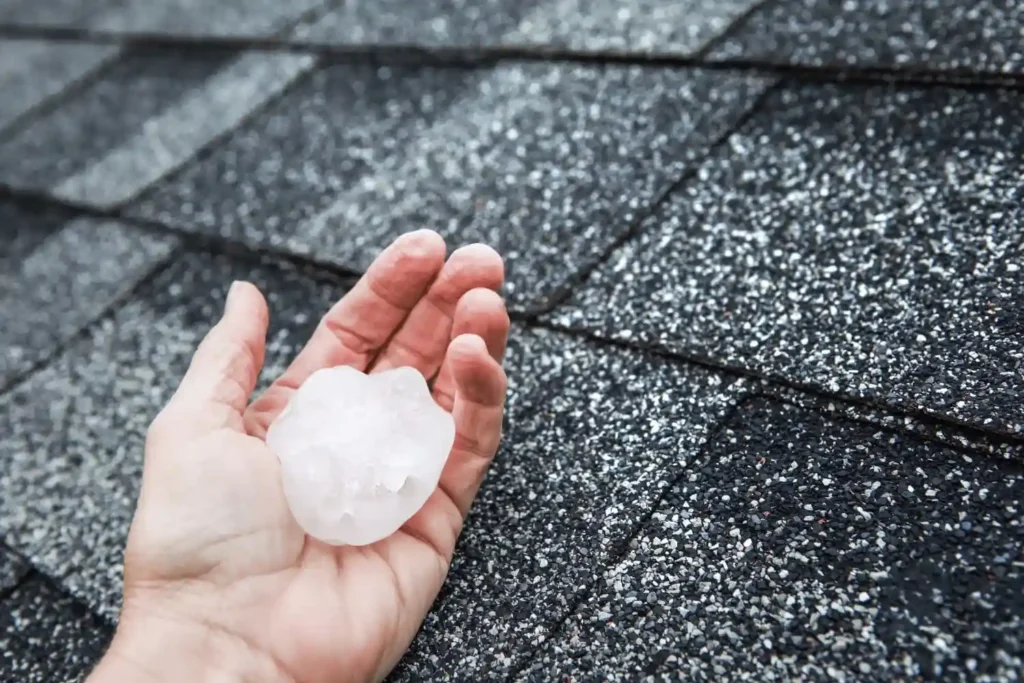
This structural vulnerability is amplified if your property has also been exposed to intense summer storms earlier in the cycle. If you suspect that your shingles have been weakened by a combination of winter ice and summer weather, seeking an evaluation for hail damage storm restoration is an important step to restore your home’s defenses. Addressing these physical defects early prevents minor seasonal damage from turning into a major structural failure during the next rainy season.
Long Term Prevention Through Insulation
The ultimate solution for preventing ice dams from forming in the future is to create a cold roof condition, where the entire roof surface stays uniform in temperature. This is achieved by increasing the thermal resistance of your attic floor through high quality blown-in insulation, which keeps heat inside your living spaces where it belongs. By sealing all air leaks around light fixtures, exhaust fans, and attic hatches, you stop the warm air bypass that triggers the melting cycle.
An upgraded insulation layer not only protects your roof from ice accumulation but also lowers your heating costs during the coldest months of the year. When your attic remains at a temperature that closely matches the outside air, snow melts naturally from solar heat rather than internal heat loss. This uniform melting prevents water from refreezing at the cold eaves, eliminating the root cause of the ice dam entirely.
The Importance of Proper Soffit and Ventilation
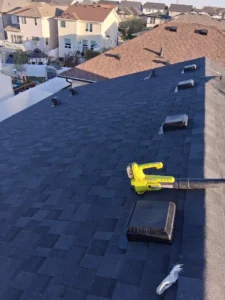
Insulation alone is not enough; it must be paired with a balanced attic ventilation system to ensure continuous airflow beneath your roof deck. Cool air should enter through your perforated aluminum soffits at the eaves, travel up the underside of the plywood deck, and exit through your ridge caps or roof vents. This constant air movement flushes out any stray heat and moisture before it can cause frost accumulation or localized snow melting.
During the winter, it is crucial to check that your new insulation material is not blocking your soffit intake vents. Utilizing specialized insulation baffles near the eaves ensures that air pathways remain wide open while keeping your insulation securely in place. Taking the time to optimize your ventilation loops completes your home’s winter defense strategy, making your property resilient against the toughest climate challenges.
Trust Lumina for Your Winter Roof Protection
At Lumina Roofing & Exteriors, we understand the unique environmental forces that shape the life of a roof in Calgary. As a certified IKO ROOFPRO Select contractor, we build roofing systems that are engineered to handle everything from intense summer hail to severe winter ice dams. Our team combines premium materials, expert attic assessment, and precision craftsmanship to keep your home comfortable, dry, and safe all year round.
Don’t let the threat of winter leaks and ice dams compromise your peace of mind or damage your home’s beautiful interior. Whether you need an emergency assessment, an insulation upgrade, or a complete exterior overhaul, our dedicated specialists are here to deliver exceptional results. If you are ready to secure your property against the elements and want to discuss your project with our experts, we invite you to connect with us on our contact us page today.