Taking a proactive stance on your home exterior starts with knowing exactly what to look for. For many homeowners in Alberta, the roof remains a mystery until a brown spot appears on the ceiling. However, a regular roof inspection checklist can be the difference between a simple seal repair and a full structural overhaul. Because Calgary experiences extreme temperature shifts and high wind loads, your inspection needs to be more thorough than a simple glance from the driveway.
An effective inspection is about identifying the early warning signs of wear before they turn into water infiltration. By following a structured approach, you can assess the health of your asphalt shingles, the integrity of your metal flashing, and the efficiency of your drainage system.
Starting with the Ground Level View
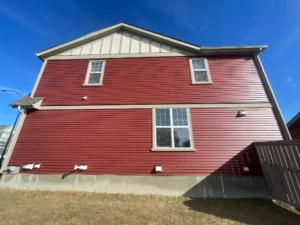
The first phase of a roof inspection checklist does not require a ladder. You can gather a significant amount of information simply by walking around the perimeter of your house. Look for shingles that have completely detached and fallen into the yard, or large amounts of mineral granules collecting near the downspout exits. These granules are the primary defense against UV degradation, and their presence in the gutters indicates the shingles are losing their protective layer.
If you notice recent storm debris or suspect your roof has been compromised by extreme weather, it is essential to consider a professional hail damage and storm restoration assessment. These early visual cues provide a roadmap for where you or your professional inspector need to focus once the detailed assessment begins.
Evaluating Shingle Health and Alignment
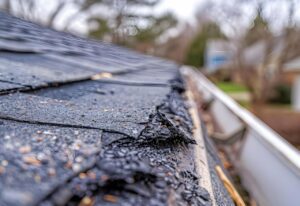
When moving to a closer inspection, the focus shifts to the physical condition of the asphalt shingles. In a high-quality system, shingles should be flat and securely bonded by their self-sealing adhesive strips. Any signs of curling at the edges or “cupping” in the center of the shingle are indicators that the weathering-grade asphalt is becoming brittle and losing its flexibility.
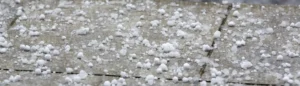
A critical part of the roof inspection checklist is looking for impact damage from hail. These often appear as dark, circular bruises where the mineral granules have been knocked away, exposing the fiberglass mat underneath. If these bruises are left unaddressed, the sun will rapidly break down the exposed asphalt, leading to a leak.
Inspecting Flashing and Transition Zones
Water rarely enters a home through the center of a shingle; it usually finds a way in through the seams. This makes the inspection of metal flashing a top priority. Check the corrosion-resistant metal at the eaves and rakes to ensure the drip edge is still properly managing water runoff. Special attention should be paid to roof valleys and chimney flashings, as these are the most common areas for water to collect and penetrate the roof deck.
If you see gaps in the caulking or rusted metal, these are immediate high-priority repair items. A professional contractor will ensure these transition zones are securely fastened with the correct corrosion-resistant roofing nails to maintain a watertight seal and protect your investment.
The Role of Ventilation and Soffits
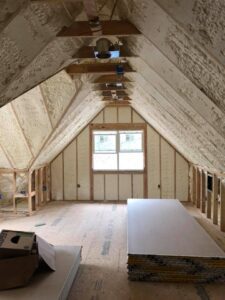
A roof inspection is incomplete without looking at how the system breathes. The aluminum soffit and fascia play a vital role in preventing moisture buildup in the attic. Check the soffit panels for any obstructions, such as bird nests or blown-in insulation that might be blocking airflow. If the attic cannot breathe, you risk the development of “attic rain” during the winter months.
Proper ventilation equalizes the temperature of the roof deck with the outside air. If you notice that snow melts much faster on certain parts of your roof than others, it could be a sign of heat escaping from the house and a lack of proper airflow. Ensuring your ventilation accessories are clear and functioning is a key step in preventing long-term structural rot.
Identifying Interior Warning Signs and Regulations
Sometimes the best clues about roof health are found inside the house. During an inspection, check the attic for any signs of daylight peeking through the roof deck. Look for water stains on the rafters or damp insulation, which are clear indicators of a breach in the waterproofing layers.
When planning repairs based on your findings, it is helpful to review official resources like the Alberta home improvements guide to understand your rights and the necessary permits for the province. Being informed as a homeowner ensures that any work done on your property meets local safety and quality standards.
Consulting a Certified Professional
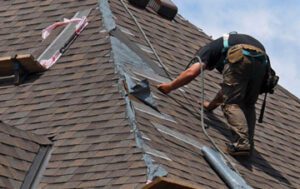
While a homeowner can identify many of these signs, a professional provides a level of technical depth that is hard to match. They can safely navigate the roof pitch and identify subtle issues like improper nailing patterns or minor fractures in the fiberglass mat that the untrained eye might miss.
Completing your roof inspection checklist twice a year ensures that your home remains a fortress against the Alberta elements. It allows you to address minor maintenance items before they escalate into major financial burdens. If you have identified any red flags during your walk-through, please visit our Contact Us page to schedule a professional inspection and keep your family protected.