Deciding whether to repair a few shingles or invest in a full replacement is one of the most significant financial choices a homeowner in Alberta will face. In our climate, a roof does not just age; it battles the elements every single day. While a few lost shingles after a windstorm might only require a targeted fix, there are several signs you need a new roof that indicate the system has reached the end of its functional life.
Understanding these signals is about recognizing when the protective layers of your home have been compromised beyond simple maintenance. Because Calgary experiences extreme temperature fluctuations and high velocity winds, the degradation of roofing materials can happen faster than in more temperate regions. Knowing what to look for allows you to plan your replacement on your own terms rather than waiting for a failure.
The Tell Tale Loss of Protective Granules
One of the most objective signs you need a new roof is found at the bottom of your downspouts. Asphalt shingles are coated with mineral granules that serve as a shield against UV radiation and physical impact. As shingles age, the weathering grade asphalt becomes brittle and loses its grip on these granules. If you find your gutters filled with what looks like coarse sand, it means your shingles are losing their primary defense.
Once the granules are gone, the sun rays can bake the exposed asphalt core, leading to rapid cracking and curling. This is more than an aesthetic issue; without that protective layer, the shingle can no longer shed water effectively. If you notice these bald spots after a storm, it is essential to seek a professional hail damage and storm restoration assessment to determine the remaining life of your roof.
Physical Deformation Curling and Cupping
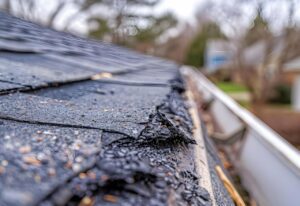
Asphalt shingles are engineered to remain flat and flexible. However, after years of enduring the freeze thaw cycles of Alberta, the fiberglass mat and asphalt layers can begin to pull apart. This manifests as curling, where the edges of the shingles turn upward, or cupping, where the center of the shingle sinks. Both are definitive signs that the material has reached a state of critical failure.
Curled shingles are extremely vulnerable to wind uplift because they act like a sail, catching the air and pulling away from the adhesive. When considering your options for these issues, it is helpful to understand the technical differences between reroofing replacement versus recover strategies. In many cases, a full replacement is the only way to ensure the underlying wood deck is healthy and free of rot.
Identifying Interior Light and Moisture
Sometimes the most convincing evidence for a new roof is found by looking up from the inside of your home. During a bright day, enter your attic and turn off all the lights. If you see pinpoints of daylight peeking through the roof boards, you have a direct path for water and snow to enter your structure. This indicates that both the external shingles and the internal waterproofing layers have been breached.
Beyond visible light, you should check the rafters for dark streaks or damp insulation. These are clear indicators of slow leaks that might not have reached your ceiling yet but are already damaging your house framing. Identifying these internal warning signs early can save you from the massive costs of structural wood rot and mold remediation that often follow a neglected roof leak.
The Impact of Hail Alley on Longevity
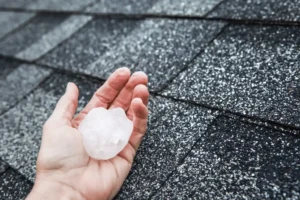
Calgary is located in a region famously known for its severe weather patterns. After a major hailstorm, you may see pockmarks on your shingles where the granules have been driven into the mat. This bruising is a hidden sign that you may need a replacement even if the roof is not currently leaking. If the impact is severe enough to fracture the fiberglass mat core, the waterproofing of the shingle is permanently compromised.
If your neighborhood has recently experienced a significant event and you see dings on your aluminum gutters, it is highly likely that your roof has sustained damage. You can find more information regarding hail risk research to understand how these impacts affect the long term durability of roofing materials. Catching this damage early allows you to perform a planned replacement before the next winter season arrives.
Chronic Leaks and Repeated Repairs
If you find yourself calling for a repair every time a heavy rain hits or the snow begins to melt, you are likely fighting a losing battle. Chronic leaking is one of the most common signs you need a new roof. While a single leak can often be traced to a cracked plumbing vent boot, multiple leaks across different areas of the roof suggest that the entire system has become porous and unreliable.
Investing in repeated small repairs on an aging roof is often more expensive in the long run than a full replacement. Each repair is simply a patch on a system that is fundamentally failing. By opting for a new installation, you gain the benefit of modern technologies and a much higher level of security. If you are ready to stop the cycle of endless repairs, please visit our Contact Us page to schedule a professional evaluation and find a permanent solution for your home.