Winter in Calgary is not a single season but a series of extreme shifts. Between the heavy snow loads and the rapid melting brought on by a Chinook, your roofing system faces more stress in January than it does during the entire rest of the year. While the idea of winter roof repair sounds like a worst case scenario, understanding how to maintain your home during these months can prevent minor issues from becoming structural emergencies.
Managing a roof in sub zero temperatures requires a specific set of priorities. It is not just about the shingles; it is about how the entire system handles the weight of snow and the formation of ice. Being proactive is essential for any homeowner in Alberta, and following official guidelines on emergency preparedness can help you stay ahead of severe winter storms that often put the structural integrity of your property to the test.
The Dynamics of Snow Load and Weight
Calgary homes are built to handle snow, but there is a limit to what even the best house framing can support. Heavy, wet snow followed by a freeze can create a massive amount of weight on your roof deck. Monitoring the accumulation of snow is vital, especially on lower slope sections or around architectural features like dormers where drifts tend to pile up.
If you notice your interior doors sticking or see new cracks in the drywall of your upper floors, these can be signs that the snow load is stressing the wooden trusses. In these cases, it is vital to have the snow professionally cleared to avoid a collapse. To understand how to manage your property after extreme weather hits, you can review our expertise in hail damage and storm restoration which includes comprehensive structural assessments for Calgary homes.
The Danger of Ice Dams and Thaw Cycles
Perhaps the most significant threat to an Alberta home in winter is the ice dam. This occurs when heat escaping from the attic melts the snow on the upper parts of the roof. The water then flows down to the colder eaves and freezes, creating a ridge of ice. This ridge traps subsequent meltwater, which can then wick under the shingles and through the starter strip, reaching the plywood deck and causing internal rot.
A key winter maintenance tip is to keep your eavestroughs and downspouts as clear as possible to ensure water has a path to leave the roof. For more detailed advice on protecting your exterior during the colder months, the City of Calgary provides excellent climate ready home maintenance resources that focus on local environmental challenges. Reducing the time water sits against your shingles is the best way to prevent ice dam damage.
Inspecting for Wind Uplift and Shingle Brittleness
High velocity winds are a staple of the Calgary winter landscape, and cold temperatures make asphalt materials significantly less flexible. When a shingle is frozen, it becomes brittle and is more susceptible to cracking if it is lifted by a sudden gust. During a mid winter thaw, it is a good idea to perform a visual check from the ground to see if any shingles have detached or if the ridge capping has been compromised.
If a shingle loses its bond during the winter, the solar heat required to reactivate the factory adhesive is simply not present. This leaves the underlying roof deck exposed to moisture during the next snowfall. Professional maintenance during these months often involves hand sealing loose tabs with cold weather adhesives to ensure the roof remains a solid shield until the consistent warmth of spring returns to the region.
Monitoring Ventilation and Attic Rain
One of the most misunderstood aspects of winter maintenance is attic ventilation. In Calgary, attic rain happens when warm, moist air from the living space escapes into a cold attic, freezes into frost on the underside of the roof deck, and then melts rapidly during a Chinook. This often looks like a roof leak, but it is actually a ventilation failure caused by poor airflow or blocked soffits.
Ensure that your aluminum soffit systems are not blocked by insulation or frost. A healthy flow of air through the attic equalizes the temperature and prevents moisture buildup. If you notice frost accumulation on your roofing nails or rafters, it is a sign that your home needs better vapor barriers or improved airflow to protect the house framing from rot and mold. Keeping the attic temperature consistent with the outside air is the primary defense against this local phenomenon.
Professional Readiness for Winter Emergencies
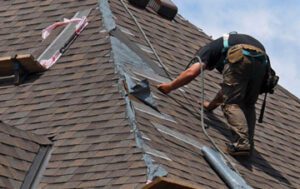
Winter is a difficult time for roofing work, but a professional team has the tools and expertise to handle it safely. From using specialized safety gear for icy pitches to employing heat guns for sealant activation, expert support is essential for any winter roof repair. Professional contractors use advanced materials designed to withstand the unique physics of an Alberta winter while ensuring the secondary water barriers remain intact.
Taking a proactive approach to winter maintenance means you are not just reacting to problems as they arise. It is about ensuring your home is equipped with high performance materials that can withstand the strain of freeze thaw cycles. If you are concerned about your roof performance during the current cold snap or notice signs of ice damming, please visit our Contact Us page to schedule a professional evaluation and secure your home.